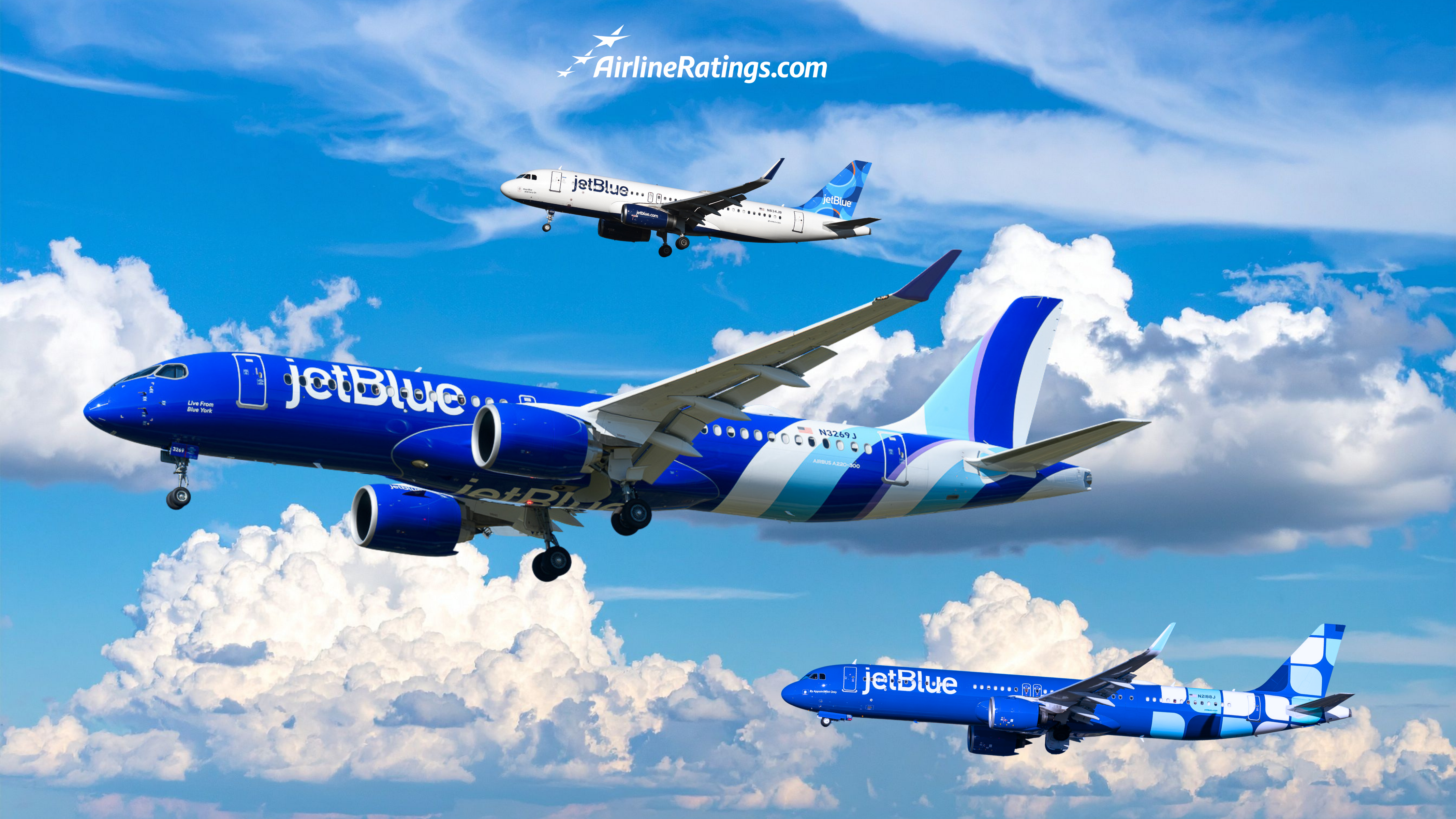

JetBlue Airways is navigating the most turbulent period in its 25-year history. Mounting debt, a global engine crisis, and a fuel shock from the Iran war threaten the carrier’s ability to remain independent.
On April 14, the airline entered an agreement with SKY Leasing and UMB Bank to secure $500 million of debt using 22 of its A320 and A220 aircraft as collateral. The loan carries fixed interest rates between 6 and 6.75 percent, with maturities extending from 2033 to 2037. JetBlue Airways will be able to borrow a further $250 million if needed.
These new deals come at a cost for the airline. JetBlue’s total debt currently sits around $9.4 billion against shareholder equity of $2.1 billion. The carrier reported a net loss of $602 million for 2025 and has not posted a profit since 2019.
Pratt and Whitney engine issues ground aircraft until 2027
Unlike some of its competitors, JetBlue faces a technical issue with Pratt and Whitney PW1100G and PW1500G engines on both its A321neo and A220 aircraft. Both engine types are subject to a metal defect recall, announced in July 2023 by RTX. Each engine requires an overhaul that takes around 200 days for the A220 and 300 days for the A321neo.
Cirium recorded 835 GTF-powered aircraft in storage at the end of October 2025, roughly one-third of the global fleet. JetBlue has been among the worst-hit US airlines.
The idle aircraft are JetBlue’s newest and most fuel-efficient aircraft, meaning the airline is forced to fly older and less fuel-efficient airframes. The airline averaged 11 aircraft on the ground throughout 2024, with CFO Ursula Hurley stating the fleet is expected to return to full strength by the end of 2027.
The war in the Middle East that broke out in February 2026 has roughly doubled the price of jet fuel, which sits at $184 per barrel on the week ending 17 April, 105 percent above the same period last year. Delta CEO Ed Bastian said that the conflict had added around $400 million to the airline’s operating costs. Ultimately, the fuel price hike has hit airlines already in financial trouble, like JetBlue, the hardest.
The failed Spirit takeover
JetBlue’s current struggles trace back to the failed attempt to acquire Spirit Airlines in 2022. A federal judge blocked the $3.8 billion deal in January 2022 on antitrust grounds. JetBlue walked away with legal bills and no growth path.
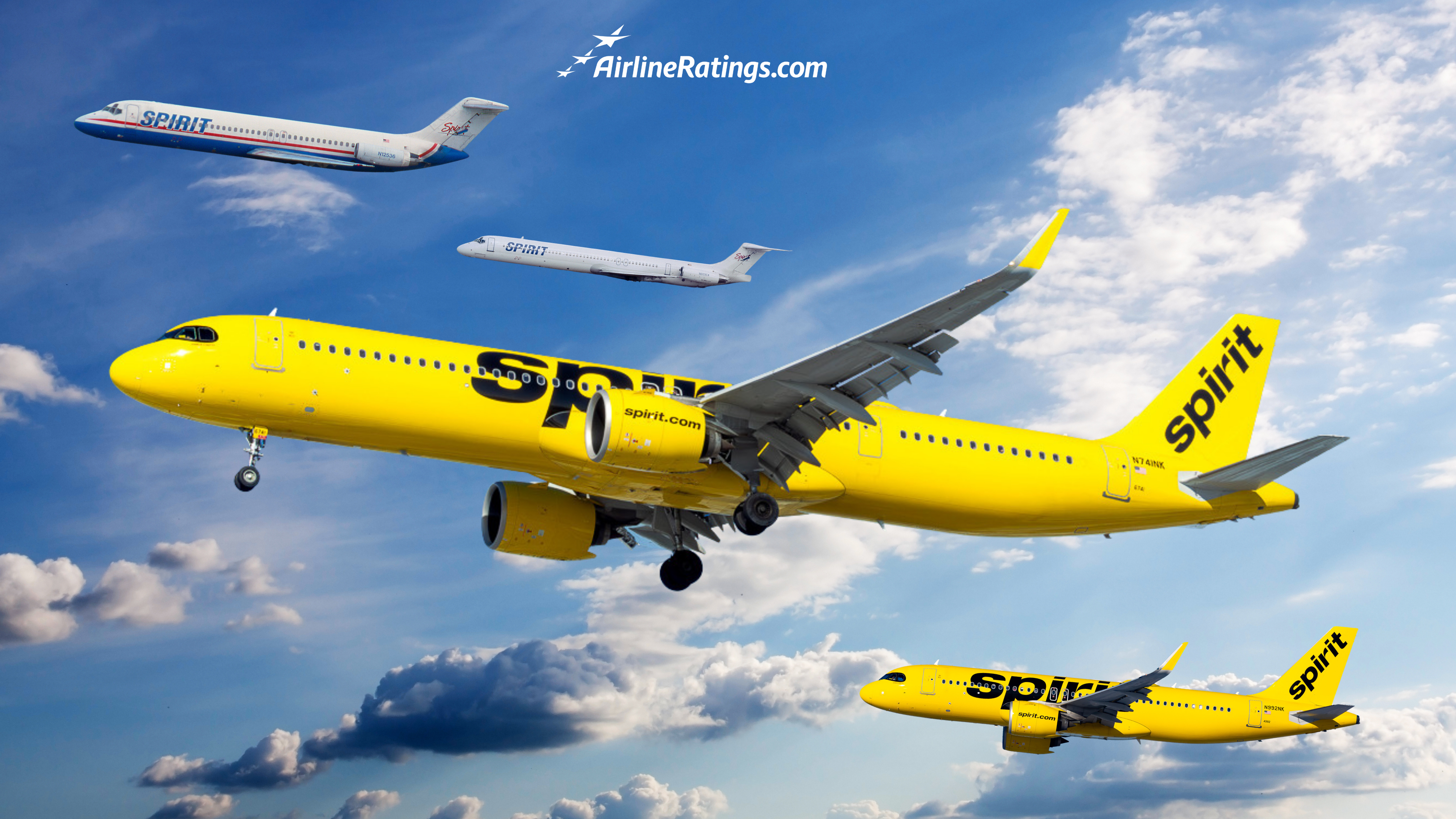
Spirit’s position has since deteriorated as the ultra-low-cost carrier filed for Chapter 11 in November 2024, emerged in March 2025, and then filed again in August. Bloomberg reported on 15 April that Spirit Airlines could liquidate within a week, and the airline has approached the Trump administration for an emergency bailout.
Aviation analyst Mike Boyd of Boyd Group International said Spirit will have to shrink to survive, and that no airline can just shrink its way to profitability.
Since Spirit’s issues have intensified, JetBlue’s own future has come under scrutiny. The airline has recently hired advisors to assess the viability of selling itself to United, Alaska, or Southwest. A JetBlue spokesperson said the carrier remains focused on its multi-year JetForward strategy. CEO Joanna Geraghty told FlightGlobal in June 2025 that JetBlue was absolutely not interested in another combination attempt, such as the failed Spirit merger.
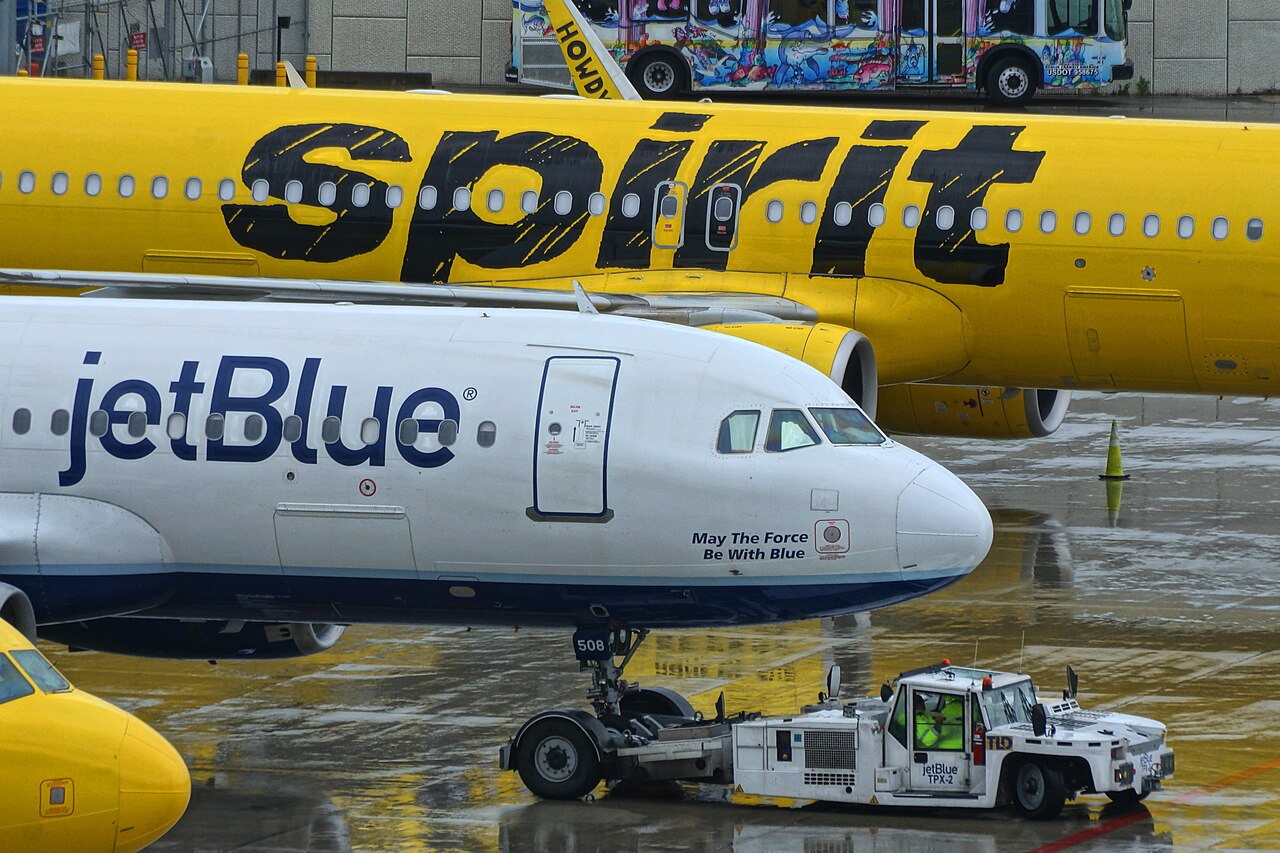
Suggested read: Spirit Airlines faces imminent collapse as fuel prices soar
The US Big Four continue to dominate the domestic market
If JetBlue disappears, US aviation will further narrow, leaving American, Delta, United, and Southwest with firm control on most domestic routes. This will affect fare prices as there will be fewer competitors in the market.
JetBlue has historically applied fare pressure on these carriers along popular East Coast routes. Spirit holds only 3.4 percent of the US domestic market, according to Bureau of Transportation Statistics data from the year ending January 2026. Even small disruptors like Spirit help keep ticket prices honest across the industry, not just in the US.
A deal with one of the Big Four would lead to intense regulatory scrutiny. The Department of Justice blocked the Spirit merger in 2024 because JetBlue acted as a competitive threat to the major airlines. The Trump administration has signaled a willingness to consolidate. But a tie-up between the country’s six biggest airlines would sit on the antitrust bubble.
For now, JetBlue continues to fly. Whether it survives as a standalone carrier or joins a larger rival will shape US aviation for years.
Have questions or want to share your thoughts?